





Contribute to this project
Slow Food Gardens in Africa
2.004.836 €
Collected

2.000
Donors

21
Countries

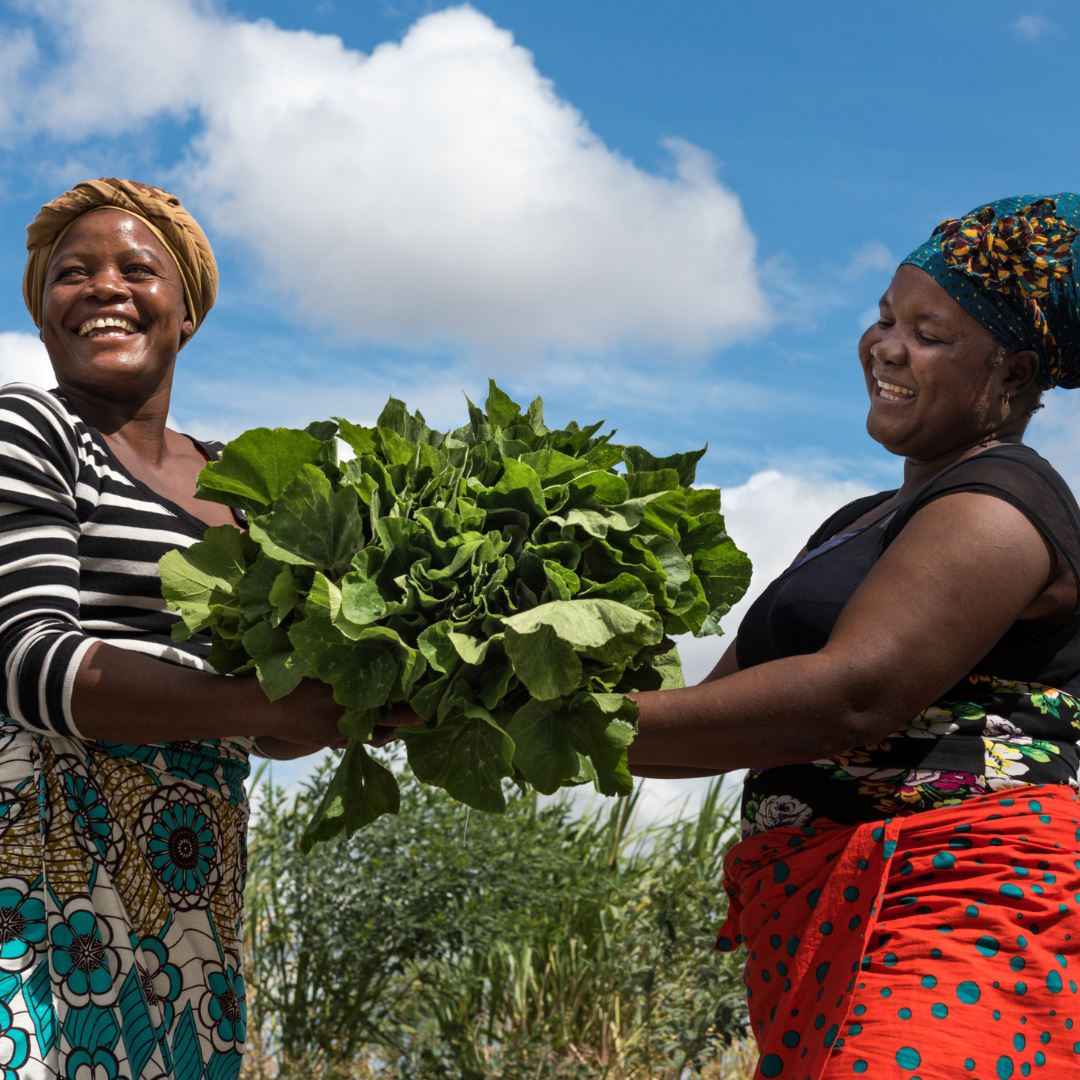
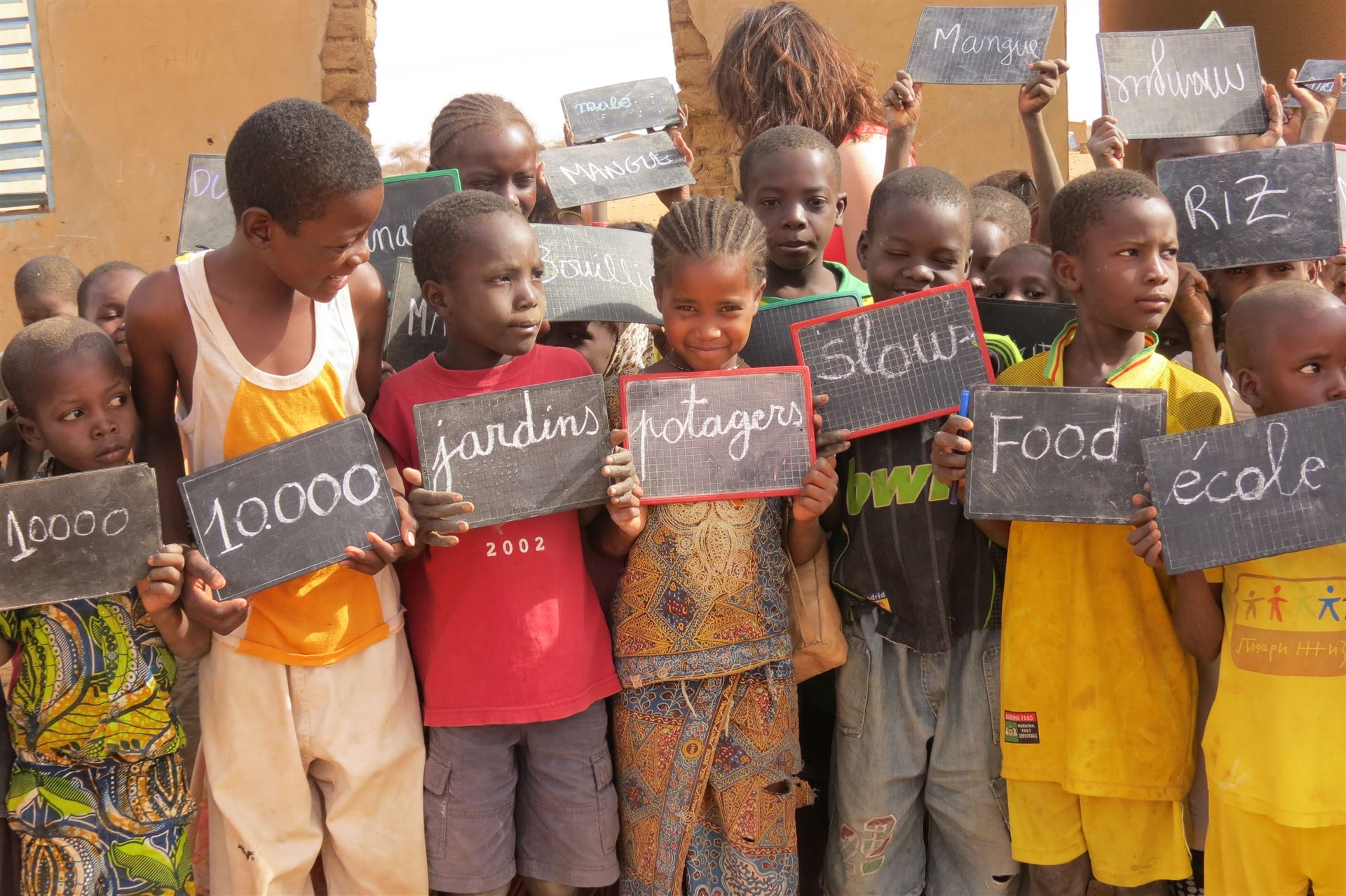
Across Africa, hundreds of thousands of people are cultivating change through Slow Food Gardens.
Slow Food Gardens transform schools, villages, and cities. Our bottom-up approach is driven by communities deciding what to grow, eat, and sell. Together, these Gardens form a living, growing movement that nourishes people, protects biodiversity, and strengthens local food systems.
Since 2011, the program has supported thousands of school and community Gardens across the continent, involving over half a million people and improving access to fresh, healthy food for entire communities.
Your donation supports the entire Slow Food Gardens in Africa program — not just individual Gardens, but the people, knowledge, and networks that allow them to grow stronger over time.
3,490
Active Gardens since 2011
38
Countries
500,000+
People involved
With your help, we can:
- Strengthen existing Gardens and the global network, reinforcing collaboration and knowledge exchange so communities become increasingly autonomous and resilient.
- Invest in training, exchanges, and capacity building, supporting learning rooted in agroecology and Slow Food values, and turning Gardens into hubs of shared knowledge.
- Foster local leadership and ownership, empowering women, youth, and community leaders to manage and sustain their Gardens independently.
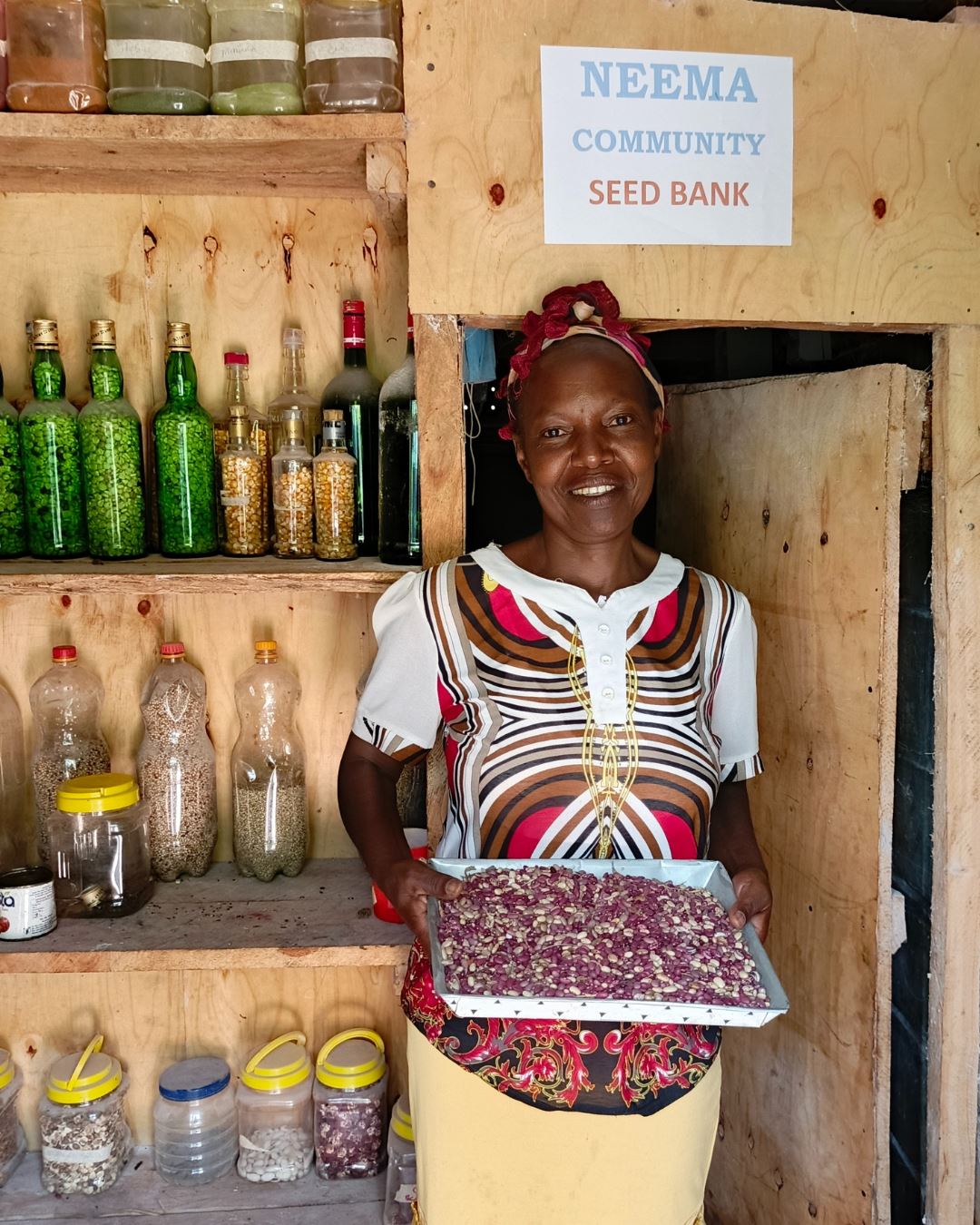
- Protect food biodiversity and promote local food systems, safeguarding indigenous seeds and crops while supporting fresh, local diets.
- Expand the Gardens network strategically, creating 400 new Gardens over the next five years, building on strong local leadership and opening new opportunities for income generation.
Your support brings us closer to a world where food is a right, not a privilege. Together, we can cultivate sustainable livelihoods, ensure lasting food security, and protect the planet’s biodiversity for generations to come.
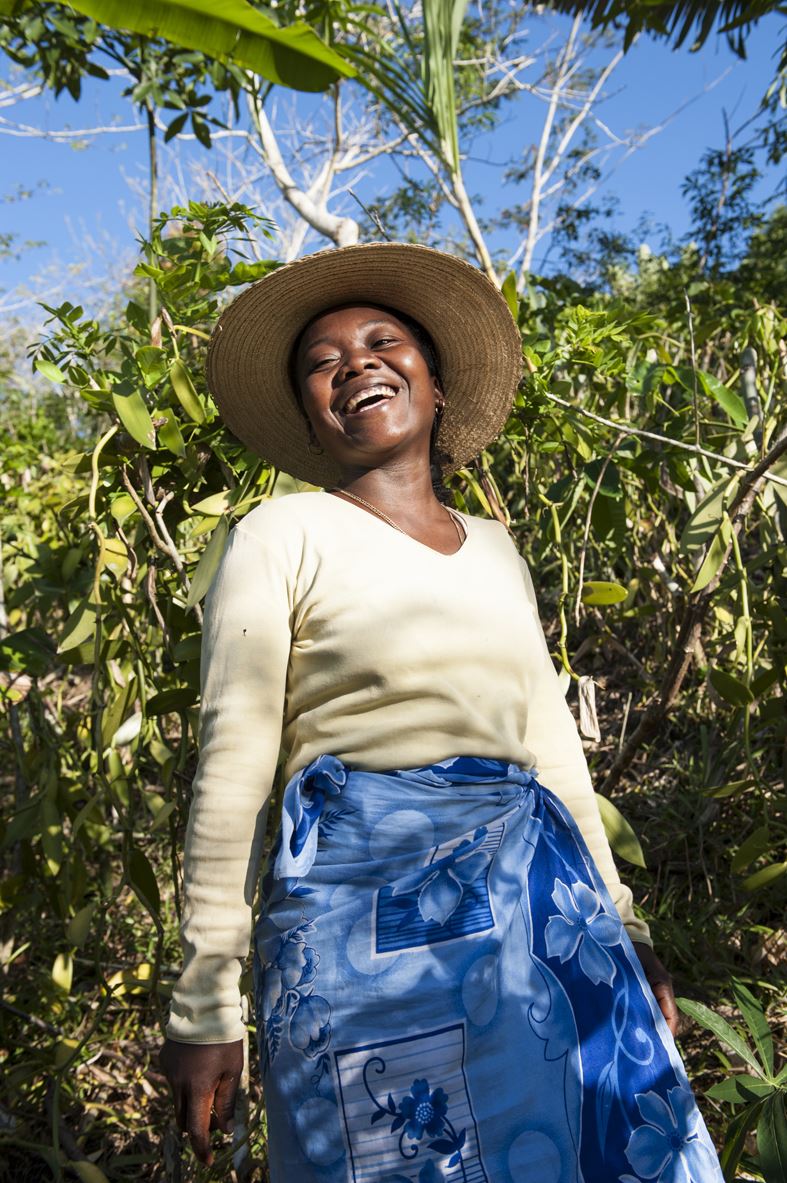
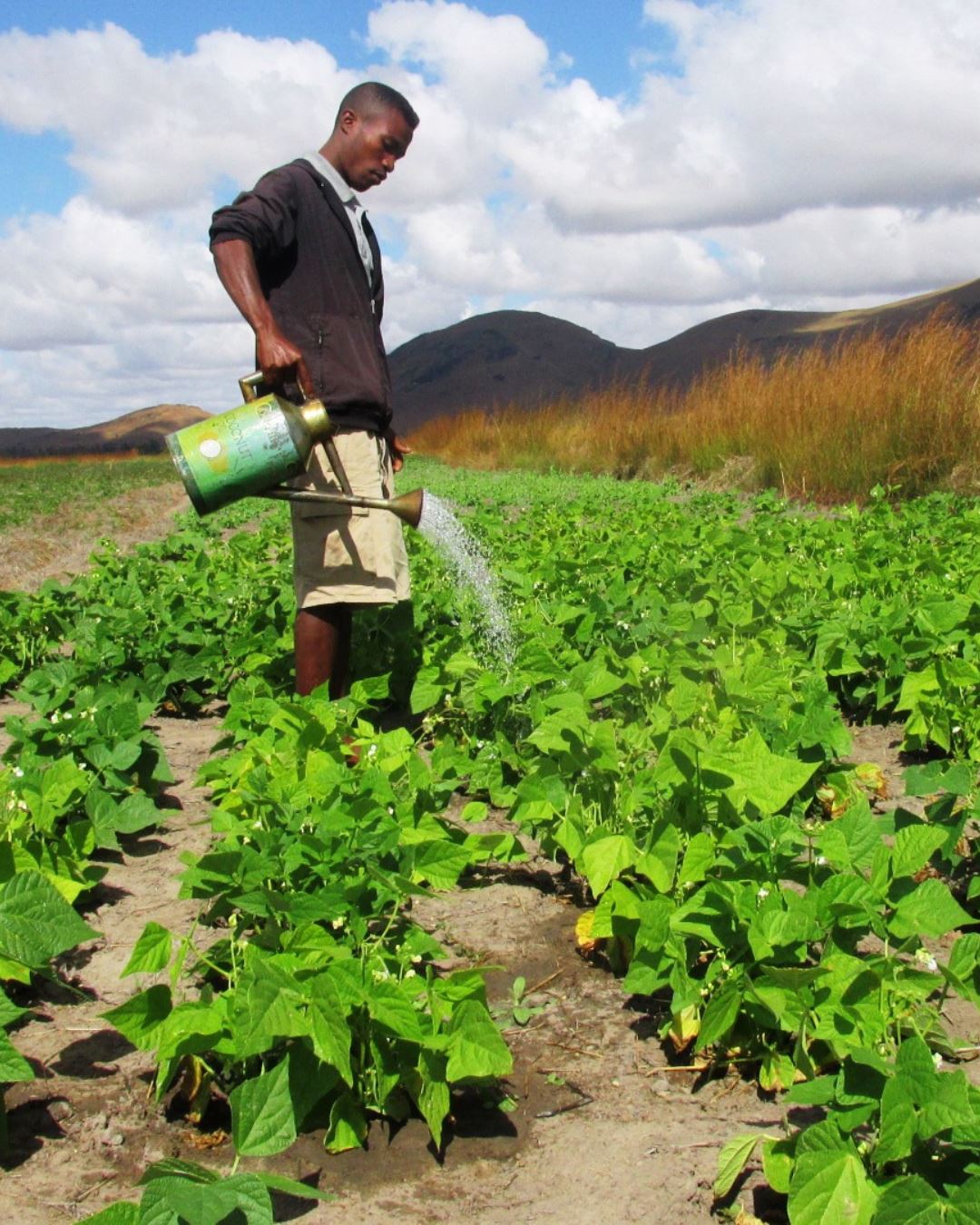
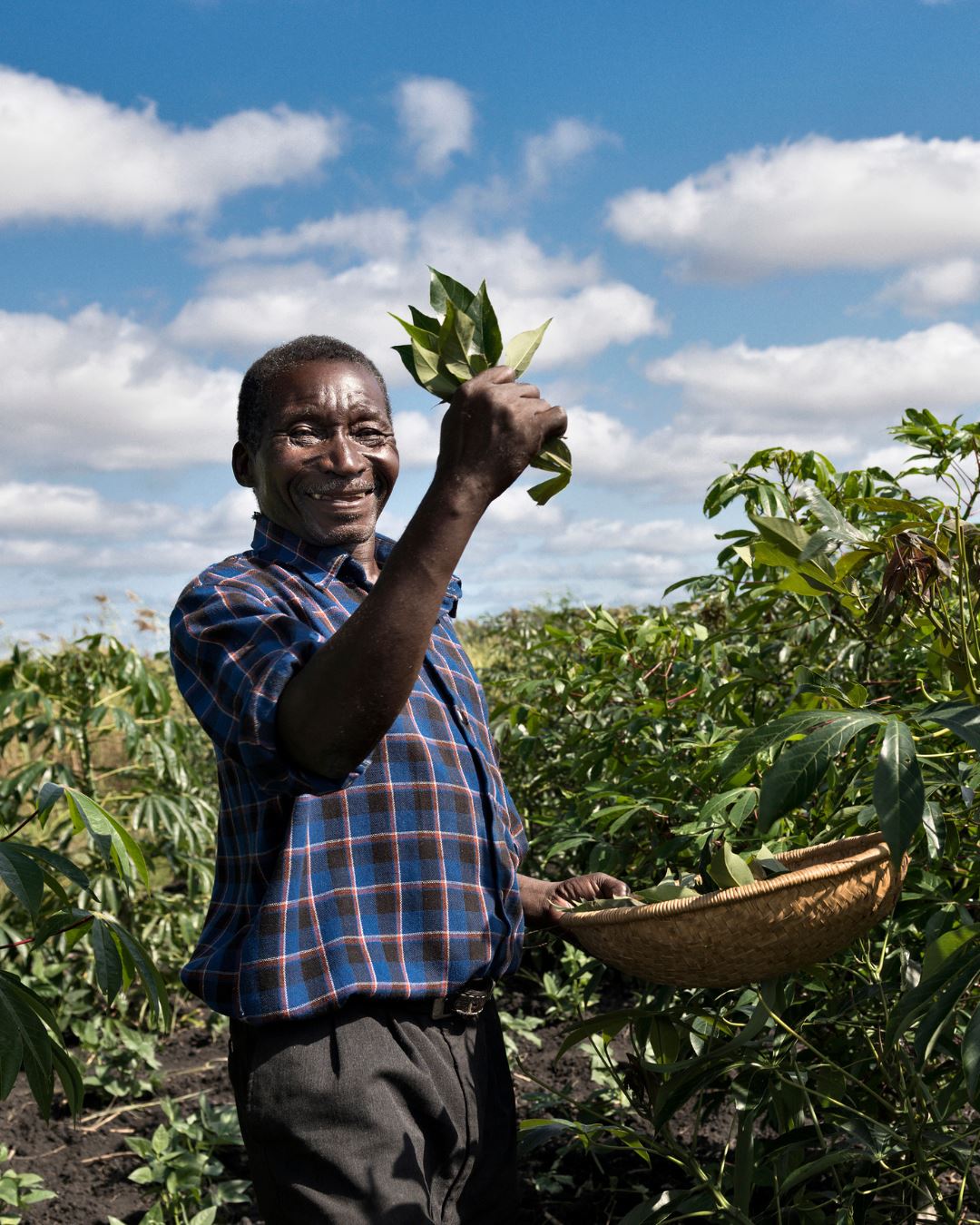

“Slow Food has been active in Malawi since 2014. Currently, 316 gardens are being cultivated, and the project continues to train the communities and schools. We teach how to diversify crops and produce nutritious, natural food. The gardens provide effective assistance to local people who want to win back their food sovereignty.”
Manvester Khoza, Malawi